

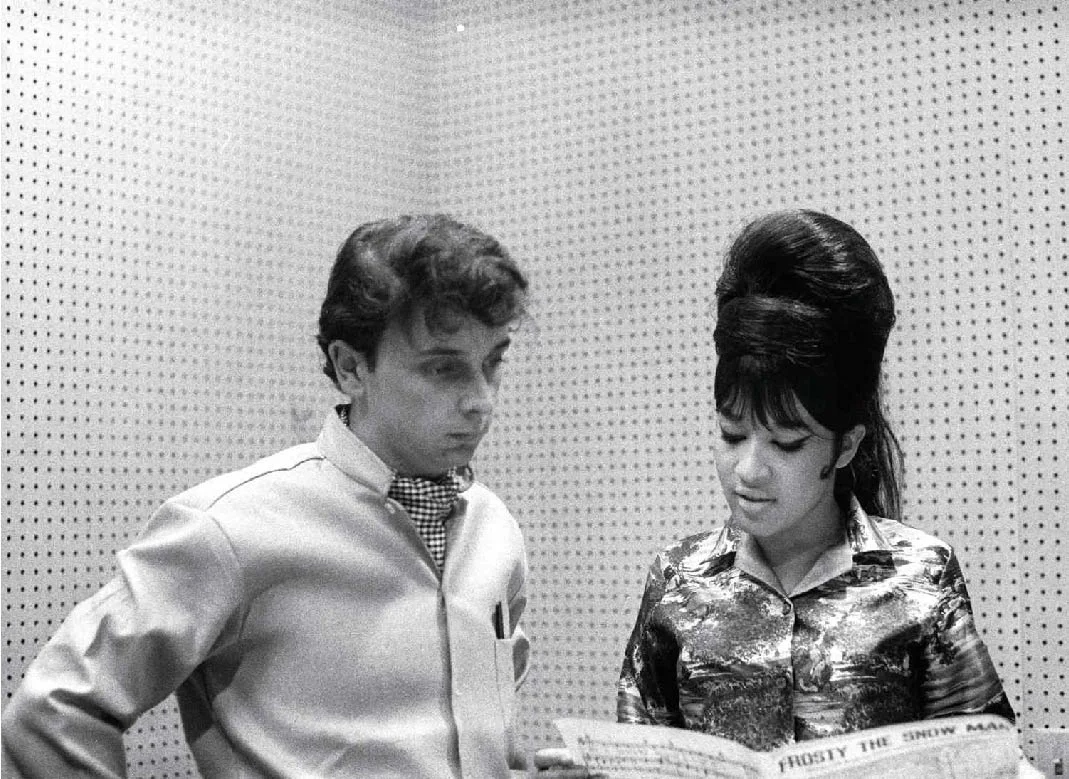
Introduction to Gary Phillip Spector
Gary Phillip Spector, often referred to simply as Phil Spector, is one of the most influential figures in music history. Born on December 26, 1939, in the Bronx, New York, Spector is best known for his revolutionary production techniques that changed the sound of popular music forever. His unique production style, known as the “Wall of Sound,” left an indelible mark on the music world. Spector was a multi-talented individual, known not only for his production skills but also as a talented musician, songwriter, and record executive.
However, Spector’s career was as dramatic and controversial as it was groundbreaking. From his rise to fame in the 1960s to his later years marred by personal scandals, Spector’s story is one of both artistic brilliance and personal downfall.
In this article, we will explore the life and legacy of Gary Phillip Spector, diving into his musical achievements, his contributions to the industry, and the controversies that ultimately overshadowed his career.
The Early Life of Gary Phillip Spector
Gary Spector’s early life was marked by hardship and trauma. Born into a Jewish family in the Bronx, he experienced a difficult childhood, with the death of his father when he was just nine years old. This loss had a profound impact on Spector, shaping his complex personality and the way he approached his work. His mother, a controlling and protective figure, had a significant influence on his upbringing.
As a teenager, Spector became fascinated with music, particularly the sounds of the 1950s rock ‘n’ roll era. He was inspired by artists like Elvis Presley and Buddy Holly, and by the time he was in high school, he was already experimenting with music production. His first foray into the music business came when he formed a band called the Teddy Bears, whose song “To Know Him Is to Love Him” became a hit in 1958. This success would be a foreshadowing of the groundbreaking work Spector would later achieve as a producer.
The Birth of the “Wall of Sound”
Gary Spector’s career truly took off in the early 1960s when he developed his signature production style known as the “Wall of Sound.” This technique was revolutionary at the time, combining multiple instruments in dense, layered arrangements that created a rich, full sound. The technique involved the use of echo chambers, heavy reverb, and multiple instruments playing the same part to create a massive, immersive sound.
Spector’s “Wall of Sound” was most famously showcased in his work with artists like The Ronettes, The Crystals, and The Righteous Brothers. Songs like “Be My Baby” by The Ronettes and “You’ve Lost That Lovin’ Feelin'” by The Righteous Brothers became defining tracks of the era, thanks in large part to Spector’s production techniques. His ability to create a powerful, emotional sound earned him a reputation as one of the greatest producers of all time.
Spector’s Legacy in the Music Industry
Spector’s impact on the music industry cannot be overstated. His innovative production methods paved the way for countless artists and producers who followed in his footsteps. The “Wall of Sound” not only redefined pop music but also influenced other genres like rock, soul, and even classical music. His productions were characterized by a cinematic quality, as if each song were a mini-movie, filled with drama and emotion.
Throughout his career, Spector worked with an impressive array of artists, including The Beatles, John Lennon, and George Harrison. In fact, he played a pivotal role in producing The Beatles’ final studio album, Let It Be, although his involvement would later become a point of contention among the band members.
Spector’s innovations in music production were a major influence on other legendary producers like Brian Wilson of The Beach Boys and George Martin, The Beatles’ producer. His work, though controversial at times, is still celebrated for its creativity and technical brilliance.
The Rise to Fame: Key Collaborations and Milestones
Gary Phillip Spector’s rise to fame was marked by several key collaborations and milestones in the music industry. After his initial success with The Teddy Bears, Spector went on to form his own record label, Philles Records, in 1961. This was the launching pad for many of his most famous works, including his collaborations with The Ronettes, The Crystals, and The Righteous Brothers.
One of Spector’s most famous achievements was his role in producing the song “You’ve Lost That Lovin’ Feelin’” by The Righteous Brothers. Released in 1964, the track became one of the most played songs on American radio, and is often considered one of the greatest pop songs of all time. The song’s rich orchestration and emotional delivery perfectly exemplified the “Wall of Sound” that Spector had created.
Throughout the 1960s, Spector continued to build his reputation as a producer capable of creating chart-topping hits. His work with artists like Ike & Tina Turner and the aforementioned Beatles members further cemented his status as a musical legend.
Gary Spector’s Controversial Personal Life
Despite his professional success, Gary Phillip Spector’s personal life was fraught with controversy and scandal. Known for his erratic behavior and violent temper, Spector’s personal life became increasingly volatile as his career progressed. He became infamous for his reclusive nature and strange behavior, often isolating himself from others in his later years.
In 2003, Spector was arrested for the murder of actress Lana Clarkson, whom he shot and killed at his mansion. Spector claimed the death was accidental, but he was convicted of second-degree murder in 2009 and sentenced to 19 years to life in prison. The murder trial was a tragic end to a career that had once been filled with artistic brilliance and success.
Spector’s Later Years and Final Days
After his conviction, Gary Spector spent his final years in prison, continuing to be a subject of fascination for many in the media and music community. Despite his troubled personal life, his musical legacy lived on. His influence on the music industry remained undeniable, and many artists and producers continued to cite him as an inspiration.
Spector died on January 16, 2021, at the age of 81, while serving his prison sentence. His death marked the end of a turbulent life filled with both musical triumph and personal tragedy.
The Enduring Influence of Gary Phillip Spector
Even after his passing, Gary Spector’s influence on the music industry endures. The “Wall of Sound” remains one of the most important innovations in music production, and his work continues to inspire musicians and producers around the world. His impact on artists like Bruce Springsteen, U2, and David Bowie is still evident in the lush, layered soundscapes found in their music.
Although his later years were marred by controversy, Spector’s early contributions to the music industry remain groundbreaking. His ability to blend orchestral techniques with rock and roll forever changed the way music was produced and listened to.
Conclusion
Gary Phillip Spector’s life and career were filled with extraordinary highs and devastating lows. From his revolutionary production style to his notorious personal life, Spector’s legacy is complex and multifaceted. He will always be remembered as one of the greatest music producers of all time, whose innovative techniques forever altered the sound of popular music.
As we reflect on his contributions to the industry, it is clear that Gary Spector’s influence continues to resonate within the music world. His “Wall of Sound” remains a hallmark of pop and rock production, and his work with legendary artists will continue to inspire future generations of musicians and producers.
Frequently Asked Questions (FAQ)
Q1: What is the “Wall of Sound” created by Gary Spector?
A1: The “Wall of Sound” is a music production technique developed by Gary Spector in the early 1960s. It involved layering multiple instruments and using heavy reverb to create a dense, immersive sound that became a hallmark of Spector’s productions.
Q2: Which artists did Gary Phillip Spector work with?
A2: Gary Spector worked with numerous artists, including The Ronettes, The Crystals, The Righteous Brothers, The Beatles, and John Lennon, among others.
Q3: What led to Gary Spector’s conviction for murder?
A3: Gary Spector was convicted of the second-degree murder of actress Lana Clarkson in 2009. He was accused of shooting her at his mansion in 2003. Spector claimed the death was accidental, but he was sentenced to 19 years to life in prison.
Q4: How did Gary Spector influence modern music production?
A4: Gary Spector’s “Wall of Sound” influenced modern music production by introducing innovative techniques such as layering instruments and using reverb to create rich, full sounds. His work continues to inspire musicians and producers today.
Q5: When did Gary Phillip Spector pass away?
A5: Gary Phillip Spector passed away on January 16, 2021, while serving his prison sentence.
