

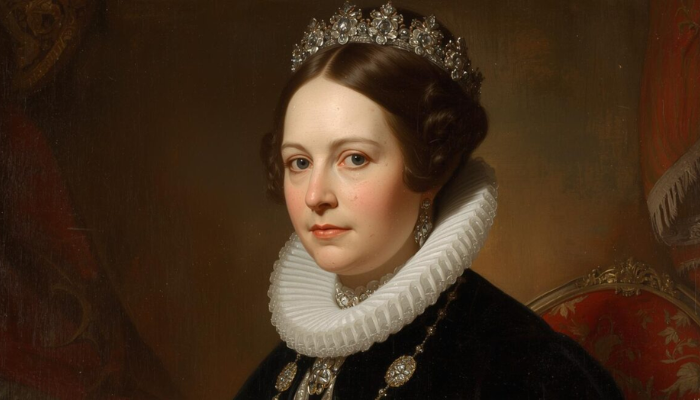
Introduction: Who Was Elizabeth Mary Wilhelmina Bentinck?
Elizabeth Mary Wilhelmina Bentinck was an 18th-century British aristocrat whose life intersected with politics, power, and profound social change. Born into a prominent family and later married into one of Britain’s most influential noble houses, Elizabeth Mary Wilhelmina Bentinck became Duchess of Portland during a period of revolution, reform, and imperial expansion.
Although she is sometimes overshadowed by other figures in her extended family, especially the celebrated collector Margaret Cavendish Bentinck, Elizabeth Mary Wilhelmina Bentinck played a significant role in the political and social world of Georgian Britain. Her position as the wife of a two-time Prime Minister placed her at the center of national events, even if history has not always placed her in the spotlight.
This comprehensive guide explores the life, lineage, marriage, social influence, and historical significance of Elizabeth Mary Wilhelmina Bentinck. If you are searching for reliable, well-researched information about Elizabeth Mary Wilhelmina Bentinck, you are in the right place.
Early Life of Elizabeth Mary Wilhelmina Bentinck
Elizabeth Mary Wilhelmina Bentinck was born in 1735 as Elizabeth Mary Wilhelmina Hervey. She was the daughter of Lord Hervey, a prominent courtier and political writer who moved in the highest circles of the British court. From birth, Elizabeth Mary Wilhelmina Bentinck was immersed in aristocratic culture, diplomacy, and intellectual life.
Growing up in an influential household meant that Elizabeth Mary Wilhelmina Bentinck was educated not only in the accomplishments expected of noblewomen but also in the subtle arts of conversation, alliance-building, and reputation management. These skills would later serve her well as Duchess of Portland.
The Hervey family was closely connected to royal and parliamentary figures. As a result, Elizabeth Mary Wilhelmina Bentinck developed early familiarity with the workings of British governance and the expectations placed upon elite women in the 18th century.
Family Background and Aristocratic Roots
To understand Elizabeth Mary Wilhelmina Bentinck, it is essential to understand the world into which she was born. The Hervey family was deeply embedded in British political life. Her father, Lord Hervey, served as a trusted advisor within the royal court and was known for his sharp political insight.
When Elizabeth Mary Wilhelmina Bentinck later married into the Bentinck family, she entered another powerful dynasty. The Bentincks had Dutch origins and rose to prominence in England during the reign of William III. By the time Elizabeth Mary Wilhelmina Bentinck joined the family, the title of Duke of Portland carried immense prestige.
The merging of the Hervey and Bentinck families strengthened political alliances and social standing. For Elizabeth Mary Wilhelmina Bentinck, marriage was not only a personal union but a strategic and dynastic one.
Marriage to William Cavendish-Bentinck
Elizabeth Mary Wilhelmina Bentinck married William Cavendish-Bentinck, who would become the 3rd Duke of Portland. Through this marriage, Elizabeth Mary Wilhelmina Bentinck assumed a position of great visibility and responsibility.
Her husband’s political career was distinguished and complex. He served twice as Prime Minister of Great Britain, first in 1783 and later from 1807 to 1809. During these periods, Elizabeth Mary Wilhelmina Bentinck became one of the most prominent political hostesses in London society.
As Duchess of Portland, Elizabeth Mary Wilhelmina Bentinck helped maintain social networks that were vital to political success. In Georgian Britain, aristocratic women often influenced politics indirectly through salons, dinners, and strategic hospitality. Elizabeth Mary Wilhelmina Bentinck excelled in this environment.
Elizabeth Mary Wilhelmina Bentinck and British Politics
The political life of Elizabeth Mary Wilhelmina Bentinck cannot be separated from that of her husband. The late 18th century was a turbulent era marked by the American Revolutionary War, the French Revolution, and the Napoleonic Wars.
While Elizabeth Mary Wilhelmina Bentinck did not hold office herself, her position required her to navigate shifting alliances and ideological divides. Political wives were expected to manage reputation, reinforce loyalty, and host gatherings where alliances could be forged or repaired.
Elizabeth Mary Wilhelmina Bentinck lived in a world where private drawing rooms could influence public policy. Her presence at key social events contributed to the broader political ecosystem of the time.
Scholars of Georgian politics often emphasize that elite women like Elizabeth Mary Wilhelmina Bentinck functioned as informal diplomats. Their roles were subtle but essential.
Life as Duchess of Portland
When her husband inherited the dukedom, Elizabeth Mary Wilhelmina Bentinck became Duchess of Portland. This title brought ceremonial responsibilities, estate management concerns, and expanded social obligations.
Elizabeth Mary Wilhelmina Bentinck divided her time between London residences and country estates, including the notable Bulstrode Park in Buckinghamshire. These estates were not merely homes but centers of influence, hospitality, and economic management.
The daily life of Elizabeth Mary Wilhelmina Bentinck likely included overseeing household staff, managing charitable efforts, and ensuring the social prominence of the Portland name. The duchess was expected to embody dignity, generosity, and political discretion.
Unlike her mother-in-law, who became famous for scientific collecting, Elizabeth Mary Wilhelmina Bentinck’s legacy is more closely tied to political society and family continuity.
Estates, Social Circles, and Cultural Influence
The estates associated with Elizabeth Mary Wilhelmina Bentinck were more than architectural landmarks. They were cultural hubs. Visitors included politicians, military leaders, writers, and members of the royal court.
Through these gatherings, Elizabeth Mary Wilhelmina Bentinck maintained the prestige of the Portland family. Aristocratic women of her rank were central to sustaining Britain’s elite networks.
Although not widely remembered as a patron of science or art in the same way as her predecessor, Elizabeth Mary Wilhelmina Bentinck contributed to the continuity of aristocratic culture during a time of rapid change.
Historical Context: The World She Lived In
Elizabeth Mary Wilhelmina Bentinck witnessed profound global transformation. The American colonies declared independence during her lifetime. Revolutionary ideals swept through Europe. Britain expanded its empire while also facing internal reform movements.
The world of Elizabeth Mary Wilhelmina Bentinck was defined by tension between tradition and modernity. Aristocratic families had to adapt to new political realities without losing their influence.
Her husband’s premiership during wartime meant that Elizabeth Mary Wilhelmina Bentinck experienced political pressure firsthand. The stability of the nation often depended on leadership during crisis, and by extension, on the social and domestic environment surrounding that leadership.
Distinguishing Elizabeth from Other Duchesses of Portland
One common confusion arises between Elizabeth Mary Wilhelmina Bentinck and her mother-in-law, Margaret Cavendish Bentinck.
Margaret was a renowned collector of natural history specimens and owned the famous Portland Vase, now housed in the British Museum. Elizabeth Mary Wilhelmina Bentinck, however, is remembered primarily for her role in political society rather than scientific patronage.
Understanding this distinction is crucial for historical accuracy. Elizabeth Mary Wilhelmina Bentinck did not assemble the Portland Museum collection. Instead, she sustained the political stature of the Portland dynasty during her husband’s leadership.
Legacy of Elizabeth Mary Wilhelmina Bentinck
The legacy of Elizabeth Mary Wilhelmina Bentinck lies in continuity and influence. While she may not have authored books or led public campaigns, her life reflects the power structures of Georgian Britain.
Elizabeth Mary Wilhelmina Bentinck represents the archetype of the political duchess. She upheld family alliances, managed estates, and supported a Prime Minister during national crises.
Her longevity, living until 1825, allowed her to witness the dawn of the Regency era and the early Industrial Revolution. Through these transitions, Elizabeth Mary Wilhelmina Bentinck remained a symbol of aristocratic stability.
In evaluating her life, historians recognize that influence is not always loud or visible. Sometimes it operates through relationships, hospitality, and social intelligence. Elizabeth Mary Wilhelmina Bentinck embodied that quieter form of power.
Conclusion: Remembering Elizabeth Mary Wilhelmina Bentinck
Elizabeth Mary Wilhelmina Bentinck stands as a compelling example of aristocratic influence in 18th-century Britain. Though not as publicly celebrated as some of her contemporaries, Elizabeth Mary Wilhelmina Bentinck occupied a powerful position at the intersection of politics, society, and legacy.
Her life reminds us that history is shaped not only by those who speak in Parliament but also by those who sustain its social foundations. Elizabeth Mary Wilhelmina Bentinck deserves recognition as a duchess who quietly influenced her era.
If you found this in-depth guide to Elizabeth Mary Wilhelmina Bentinck helpful, consider exploring our related articles on Georgian Britain and aristocratic history. Leave a comment below with your thoughts, share this article with fellow history enthusiasts, and subscribe to our newsletter for more expertly researched historical profiles.
Frequently Asked Questions About Elizabeth Mary Wilhelmina Bentinck
Who was Elizabeth Mary Wilhelmina Bentinck?
Elizabeth Mary Wilhelmina Bentinck was an 18th-century British aristocrat and Duchess of Portland, married to the 3rd Duke of Portland, who served twice as Prime Minister.
Was Elizabeth Mary Wilhelmina Bentinck involved in politics?
She was not an elected official, but she played an influential role as a political hostess and supporter of her husband’s leadership.
Is she the same person as the famous collector Duchess of Portland?
No. The renowned collector was Margaret Cavendish Bentinck, her mother-in-law.
When did Elizabeth Mary Wilhelmina Bentinck live?
She was born in 1735 and died in 1825.
Why is Elizabeth Mary Wilhelmina Bentinck historically important?
She provides insight into the role of aristocratic women in British political and social life during the Georgian era.
